


Insights
Explore our latest insights
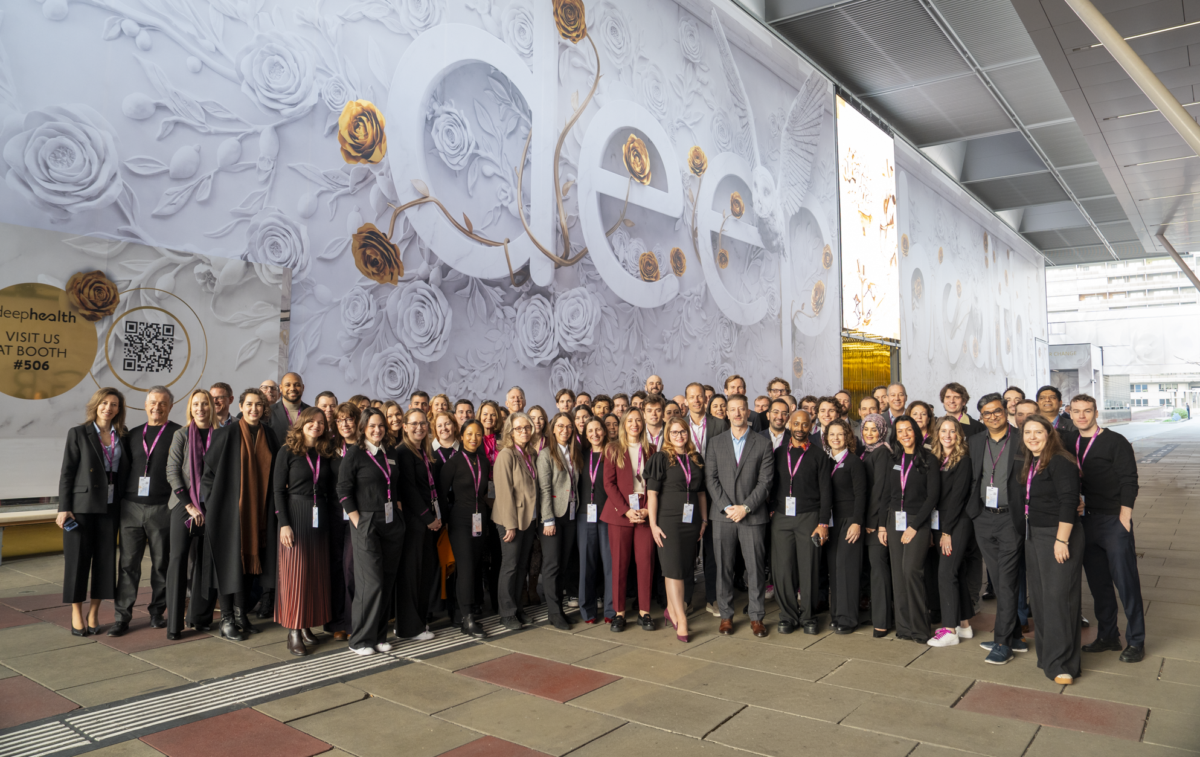
ECR 2026: DeepHealth Unveils Industry's Largest Clinical AI Portfolio Worldwide
At this year’s European Congress of Radiology (ECR), DeepHealth unveiled the industry’s most comprehensive portfolio of native clinical AI. With the acquisition of Gleamer, DeepHealth is now the global leader in radiology clinical AI solutions.
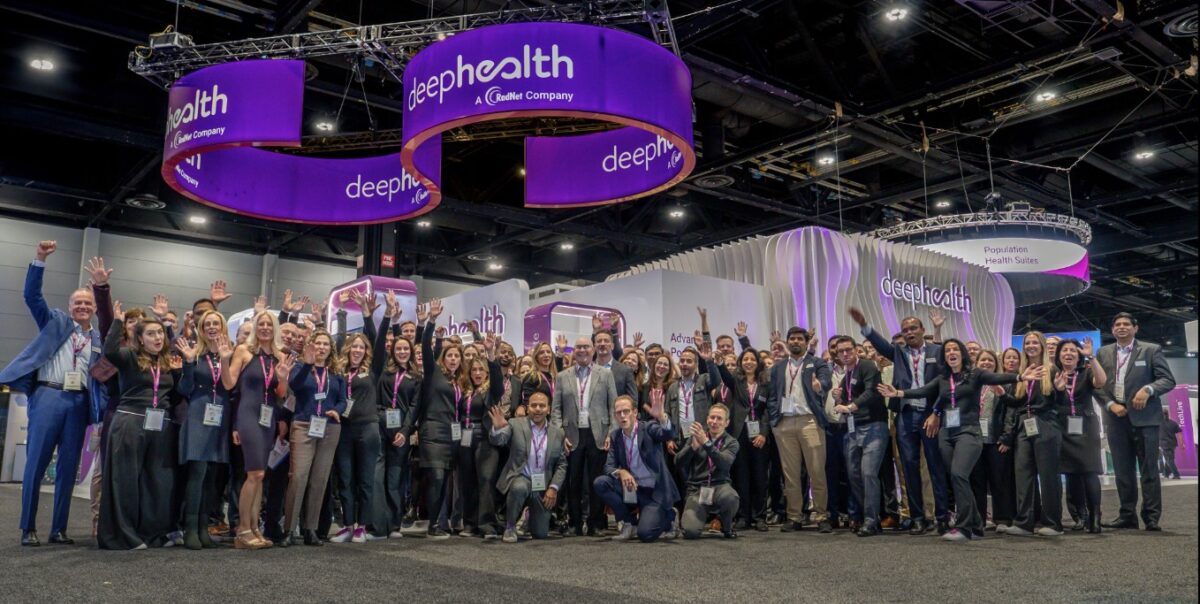
Innovation Meets Real Impact at RSNA 2025
RSNA 2025 marked a huge win for DeepHealth. The unveiling of our expanded AI-powered portfolio aimed at unifying imaging and advancing population health was met with huge enthusiasm. Memorable moments filled the week. Check out this year’s highlights, hear insights from leading voices, and discover what the buzz for 2026 is all about.
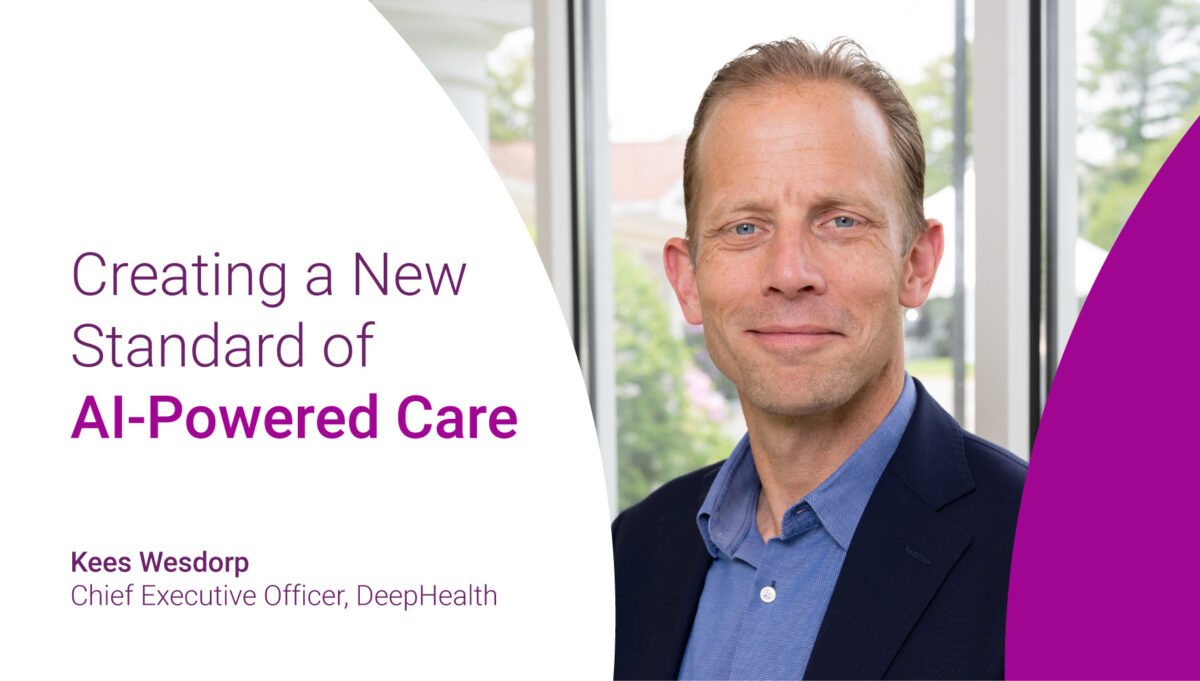
A New Standard of AI-Powered Care
Find out from Kees Wesdorp, DeepHealth President and CEO, how DeepHealth is uniquely connecting clinical AI, informatics, and workflows to address today’s imaging challenges and make a new standard of AI-powered care possible.
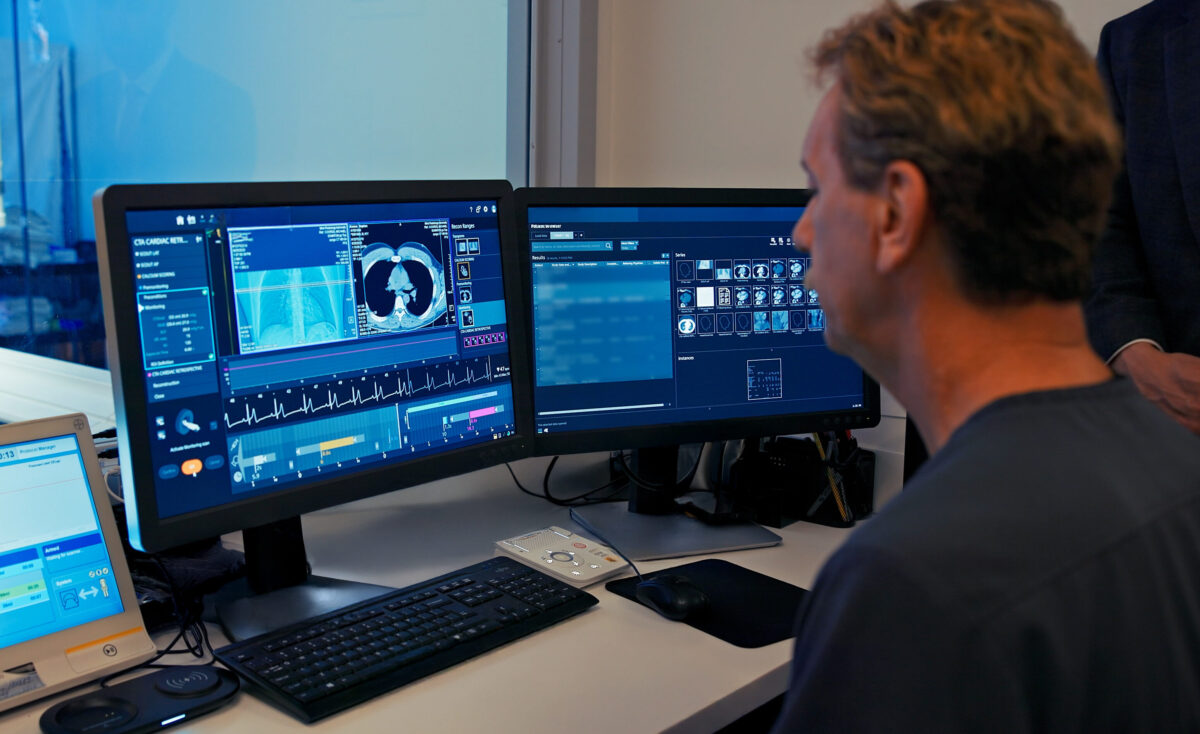
New Era in Imaging: Meet Rising Demands with Remote Scanning Using TechLive™
Radiology practices today are navigating a perfect storm of workforce and economic pressures. DeepHealth’s TechLive™ remote scanning solution was built to meet this moment.
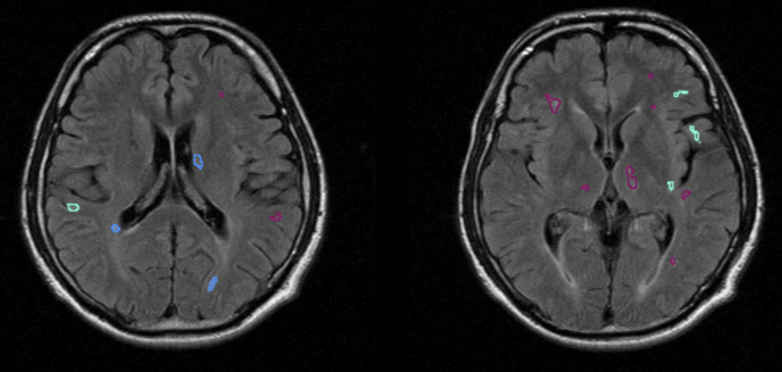
How AI is Transforming Neurodegenerative Disease Detection and Management
The human brain is one of medicine’s most complex and undiscovered frontiers. Find out how brain health, with the help of AI, could become as visible, measurable, and meaningful as other aspects of healthcare.
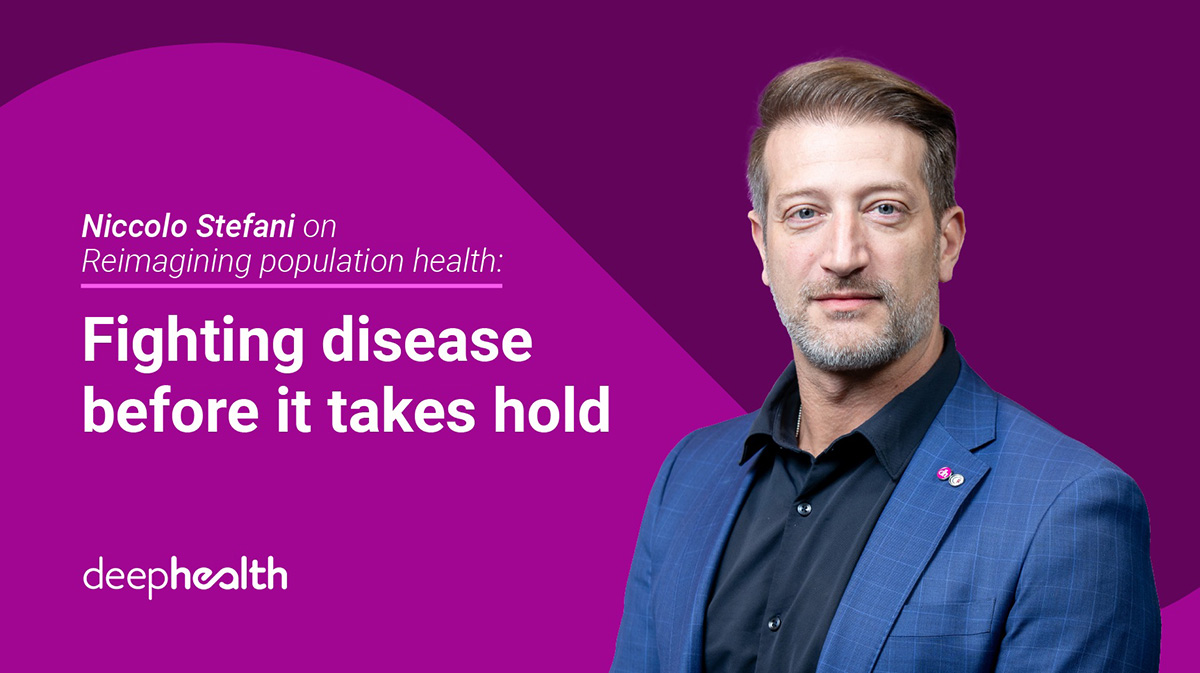
Reimagining population health: Fighting disease before it takes hold
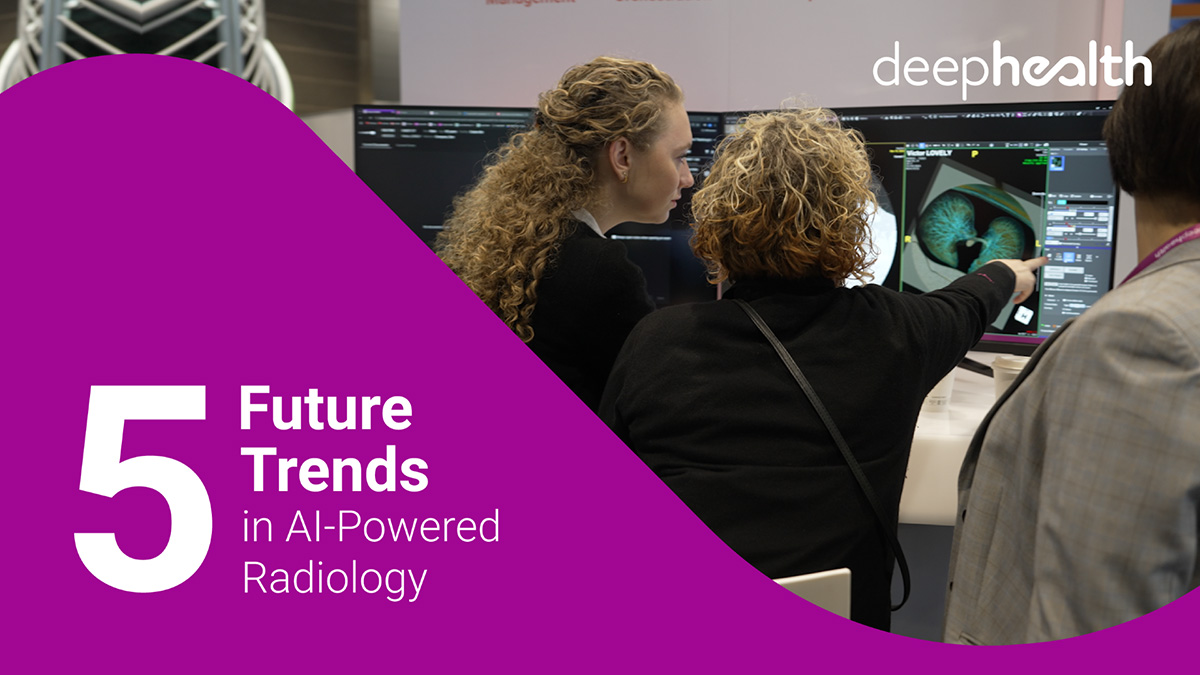
Future trends in AI-powered radiology
We are only beginning to harness AI’s transformative potential, not only to improve disease detection but also to reduce unnecessary imaging and ensure high-quality radiology care is available and accessible for more patients. Find out what five AI trends in radiology that we expect to see more of in the not-too-distant future.
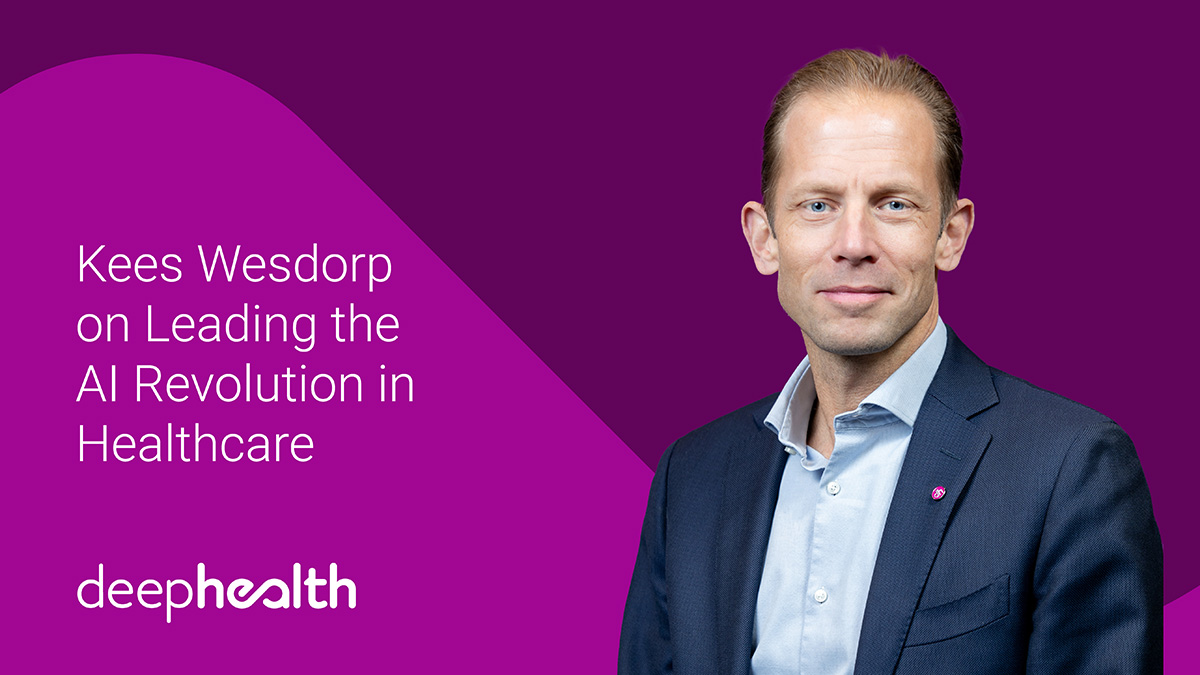
Leading the AI revolution in healthcare
In an era where technology is reshaping healthcare, DeepHealth stands at the forefront. Kees Wesdorp, President and CEO of DeepHealth, shares his insights on the pivotal role of artificial intelligence (AI) and advanced informatics in revolutionizing imaging-based care for real-world impact.
The future of SmartTechnology™
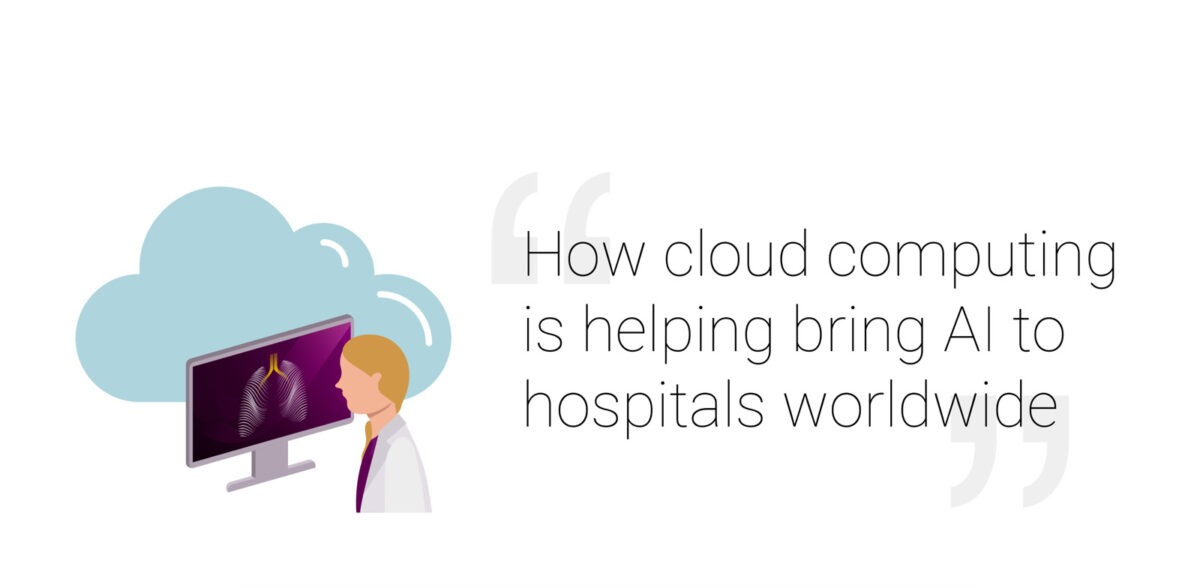
How cloud computing is helping bring AI to hospitals worldwide

Artificial Intelligence supporting early diagnosis of cognitive disorders in elderly population: The experience at ASL Roma 2 health system
According to estimates by the Ministry of Health, in Italy by 2051 there will be 280 elderly people for every 100 young people1. In an aging society where nearly 40% of Italians live with chronic diseases2, the National Health Service (SSN) is facing a necessary and rapid evolution centered on implementing new models for managing complex diseases that will increasingly affect larger segments of the population in the near future.